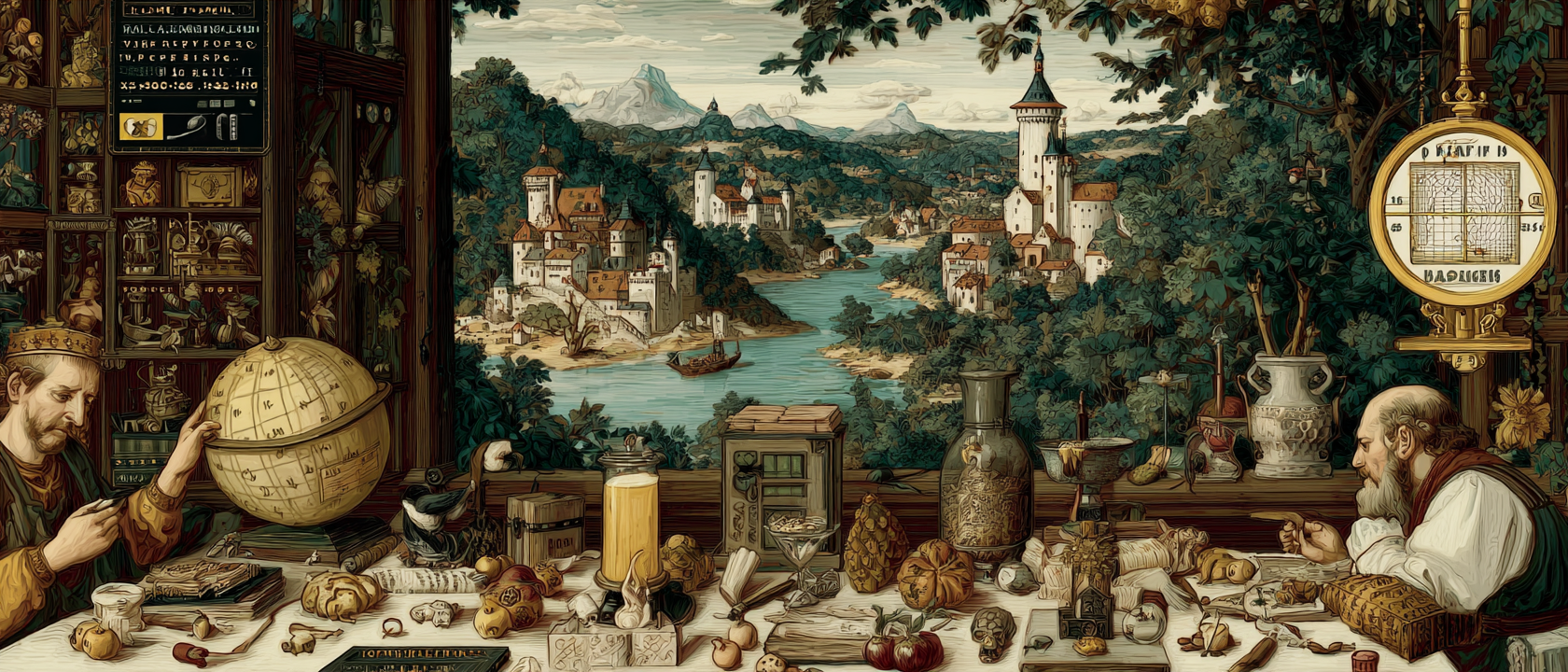
The Crisis: The New Digital Dark Age
We are living through a paradox: information is everywhere, yet our collective memory has never been more fragile. We were promised a golden age of access, but we have ended up with a Digital Dark Age. Modern tech is supposed to be social, but we feel more isolated than ever. Knowledge is being siloed behind proprietary paywalls, “landlocked” in formats that rot, and erased by the quiet collapse of platforms and the resounding muting of our human connections.
When a digital library shuts down or an algorithm shifts, or a social media company gets purchased, history does not just burn - it vanishes into a black hole of inaccessibility. If we cannot see our past, we cannot navigate our future.
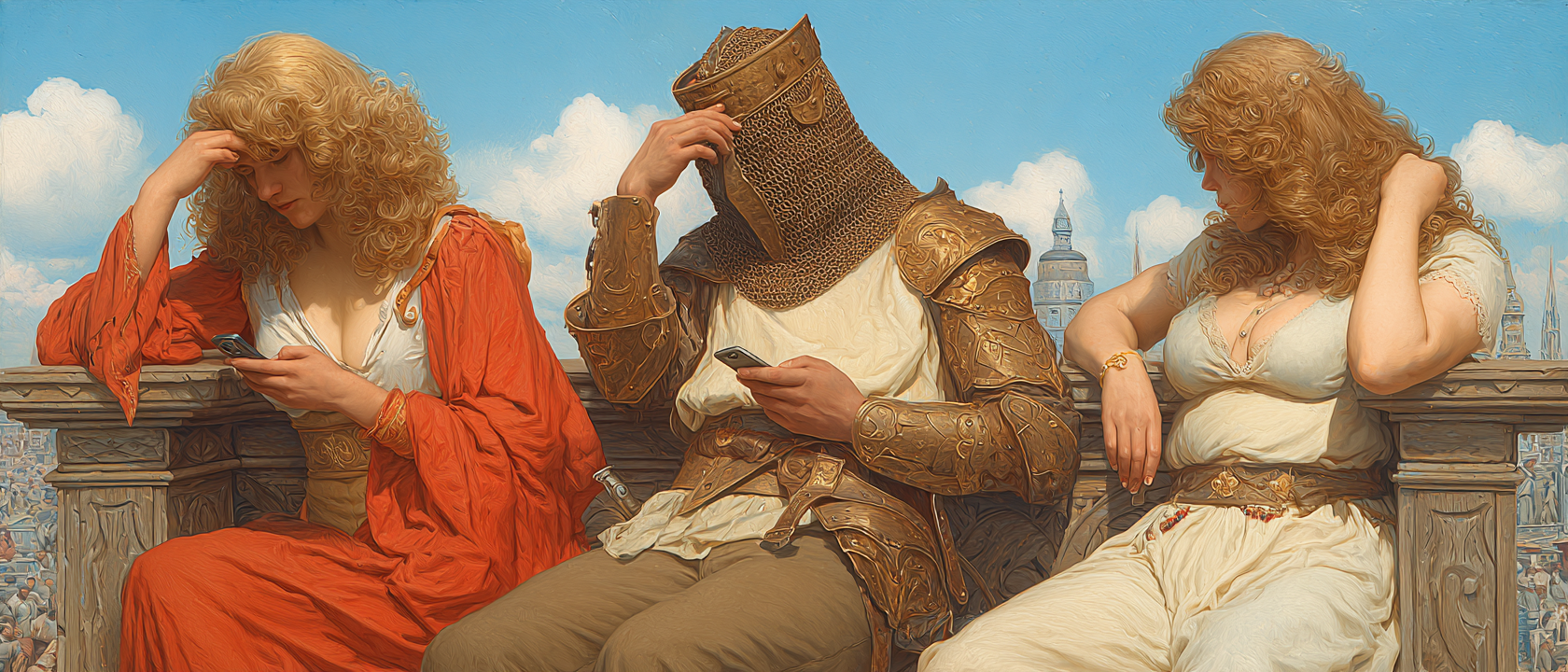
The Great Reversal
Marshall McLuhan warned us that every technology, when pushed to its limit, eventually flips into its opposite. We have reached one of those moments.
By prioritizing the speed of the “feed” over the stability of the “book,” the Information Age has reversed into the Disinformation Age. And by forgetting that the first valid purpose of technology is to mediate human connections, we have disconnected ourselves from our past and each other.
We have enhanced the volume of data but made the “physical anchor” - the verifiable, primary source - obsolete. We have retrieved the chaos of pre-literate eras where “truth” is whoever has the loudest microphone or the biggest war machine, leaving us with a digital landscape of shadows and echoes and burned libraries.
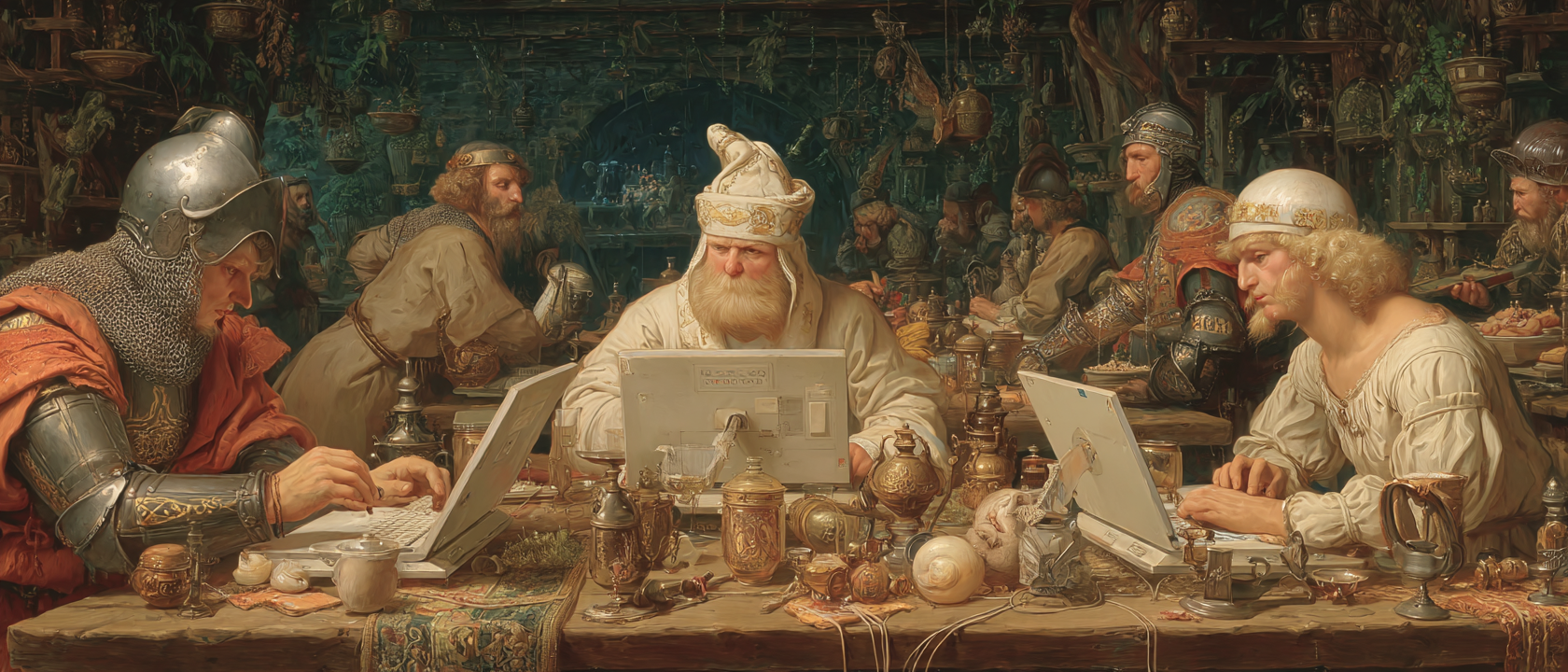
The Garden and the Pests
We can use Francis Bacon’s analogy of the three types of thinkers to understand why the internet feels hollow, and look at the “insects” currently running in our digital garden.
Historically, we had the Ants (who hoarded raw data but never used it) and the Spiders (who spun logical webs so detached they forgot the ground existed). We have always aimed to be the Honeybees, turning raw information into something sweet and useful. The Honeybees prioritized sharing knowledge and improving society. They produced something from their labor that was both sweet and nourishing. This is the true form of information science.
But today, new predators have moved in:
- The Termites (Extractive AI): They consume centuries of human effort - the “rings of ages” - to build alien structures that hollow out the original source.
- The Wasps (Ad-Driven Tech): They offer “free” services that act as a parasitic trap, requiring the death of your privacy and the manipulation of your attention just to fruit a profit.
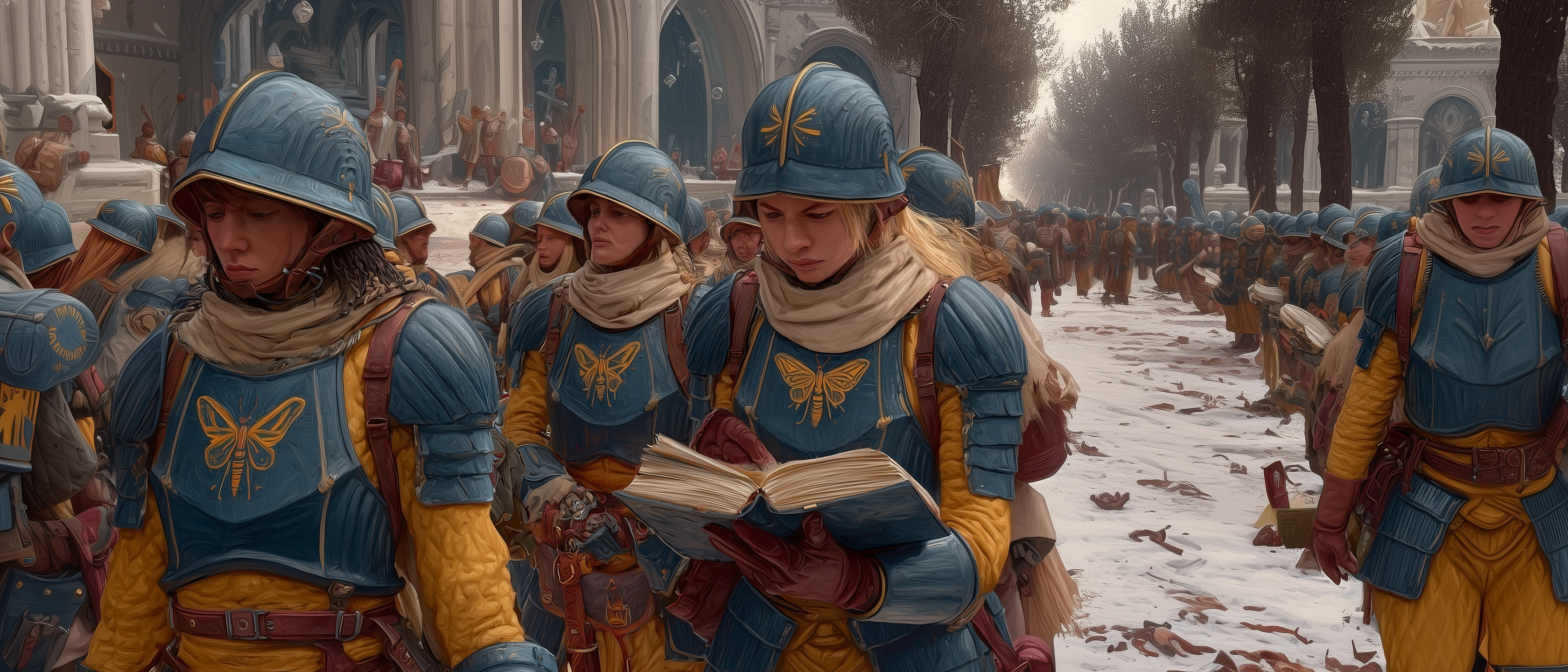
The Bookmite Strategy
We are the Bookmites. We do not consume, and we do not parasitize. A bookmite lives within the fibers of the text. We are forensic inhabitants of the living nests of information. We realize that the only way to resist a Dark Age is to return to the deep purpose of art, literature, and communication technology: not designed to cultivate termites and wasps, but a diverse fauna of human thought and knowledge, fed by the warmth of purpose and not salted with greed.
We rescue human wisdom in three layers:
- The Public Domain: We rescue “free” books that are unreadable or inaccessible to people with disabilities, applying whimsical, rigorous interfaces to make them live again.
- Grey Literature: We hunt for the historically significant works trapped in “grey” spaces - private estates and out-of-print manuscripts - and rebuild them for a new century.
- The Sovereign Reader: We provide a privacy-first “tech shell” designed for deep study, thoughtfully implementing technology that works to mediate thought and human interactions over consumption or gatekeeping of knowledge.
The Non-Profit Mandate
The Bookmites Foundation is a 501(c)(3) non-profit by design. Our goal is sustainability, not shareholder equity.
- Zero-Data Harvesting: We operate a “zero-data” model to protect the privacy of deep study.
- Radical Transparency: We are led by working founders who prioritize the mission over an “exit” or acquisition.
- Public Trust: Every surplus dollar is reinvested into the archive, the technology, and the preservation of the human record.
The Bottom Line
Join us in building a digital infrastructure that will not rot. Let’s keep the lights on.